







When the sun begins to dip into the blue of the Aegean and the first shadows stretch across the rooftops of Ano Syros, a sound seems to well up from the stones. It is the dry, metallic sound of the bouzouki. Here, the heart of the island beats through the music. The rebetiko tradition of Syros is not a museum piece. It is a living organism that breathes among the whitewashed alleys and the blooming bougainvilleas.
Markos Vamvakaris
You cannot grasp the essence of rebetiko history without standing in reverent awe before the figure of Markos Vamvakaris. Born in 1905 in Ano Syros, the “Patriarch” of rebetiko carried within him all the cosmopolitan aura of Ermoupoli as well as the Doric austerity of the Catholic settlement.
Markos didn’t just write songs. He chronicled life itself—the sorrows of living abroad, the hardships of the working class, and his love for his “Frangosyriani.” Syros provided him with all the inspiration he needed. The sounds of the sea, the rhythm of the hammer from the Neorio shipyard, and the polyphony of a society teeming with life. Even though rebetiko was censored, Syros remained his spiritual refuge.
The Rebetiko Festival
Every summer, Syros is transformed into a vast musical stage. ‘The Syra of Markos Vamvakaris’ Festival has managed to be more than just a series of concerts. This festival is a cultural ritual.
Professional musicians, virtuosos of the bouzouki and baglama, as well as amateurs who love this way of life, gather on the island. The events stretch from the iconic Miaouli Square all the way to the small taverns of Piatsa in Ano Syros. There, under the starlight, “Angelokamomeni” and “Nostimi Mavromata” are heard once again, reminding us that authenticity has no expiration date.
Why is Syros considered the birthplace of rebetiko?
Many wonder why Syros has become so closely associated with rebetiko. The answer lies in its social structure. Hermoupolis in the 19th and early 20th centuries was an industrial and commercial hub. The coexistence of the urban class with the port community created the ideal environment for the then “marginal” rebetiko to flourish. Shipyard workers, sailors, and refugees brought with them melodies from Asia Minor, which blended with the Western influences of the Catholics of Syros. The result was this unique sound that we now consider a national treasure.
The experience of touring Ano Syros
If you want to soak up the rebetiko atmosphere, you have to walk around. Start at the Markos Vamvakaris Museum. There, through his personal photographs, costumes, and manuscripts, you’ll get to know the man behind the legend. Next, let yourself get lost in the narrow streets. You’ll notice that many houses still have the small windows from which the old rebetis would stick their heads out to “catch” a melody heard from afar. Ano Syros is a place that demands silence so that its music can be heard.
The importance of tradition for the future
Rembetiko has been inscribed on UNESCO’s List of Intangible Cultural Heritage of Humanity. This recognition is no accident. In Syros, this tradition lives on through the children. It is not uncommon to see 12-year-old boys and girls holding a bouzouki or a tzouras and playing with the same seriousness as an old master would.
The Rebetiko Festival plays a crucial role in this. Through workshops, lectures, and instrument-making exhibitions, this knowledge is passed on to future generations. The art of instrument making, the selection of the right wood, the tuning of the soul—all these are links in a chain that must not be broken.
An inseparable blend of fine dining and rebetiko music
A rebetiko night just isn’t complete without the right appetizers. In Syros, the music is accompanied by:
- Tsipouro or local wine: To open the heart and the mind.
- Syrian Sausage: With the essential aroma of fennel.
- San Michali Cheese: The salty flavor that balances the sweetness of the ouzo.
- Capers and sun-dried tomatoes: The flavors of the arid Cycladic land.
The 2026 Event: Dates and Schedule
In 2026, the 10th Rebetiko Festival, ‘The Syra of Markos Vamvakaris’, is scheduled to take place during the last week of August. It is the ideal time, as the August full moon will bathe the hill of Ano Syros in light, creating an almost cinematic setting.
This year’s program is rumored to place special emphasis on the “Piraeus School” and its connection to Syros, featuring guest musicians who will bring the sound of the 1930s and 1940s back to life. In addition to the major concerts at Tarsanas and Miaouli Square, don’t miss:
- Morning Seminars: Bouzouki instrument-making and playing technique classes for beginners and advanced students.
- Musical Journeys: Small bands will be performing unplugged (without microphones) at various spots around the village throughout the day.
Where to hear authentic rebetiko: The “hidden” spots of Upper Syros
If you’re looking for an experience that will make you feel like you’ve stepped back in time to the era of Markos, take note of these spots:
- The Square of Ano Syros: It’s the “heart of the action.” There you’ll find traditional coffee shops and taverns like “Lili” (a historic hangout where Vamvakaris himself used to play). Take a seat at one of the tables in the alley. Chances are that at some point a musician will show up with his instrument case slung over his shoulder and the party will begin.
- The plateau at Saint George: Often, after the official events, the musicians climb to the highest point of the hill. The acoustics between the stone walls are breathtaking.
- Taverns with a view of the port: There are 2–3 small shops on the eastern side of the hill. There, the music blends with the view of Hermoupoli’s lights twinkling below, creating a sense of nostalgia that is hard to put into words.
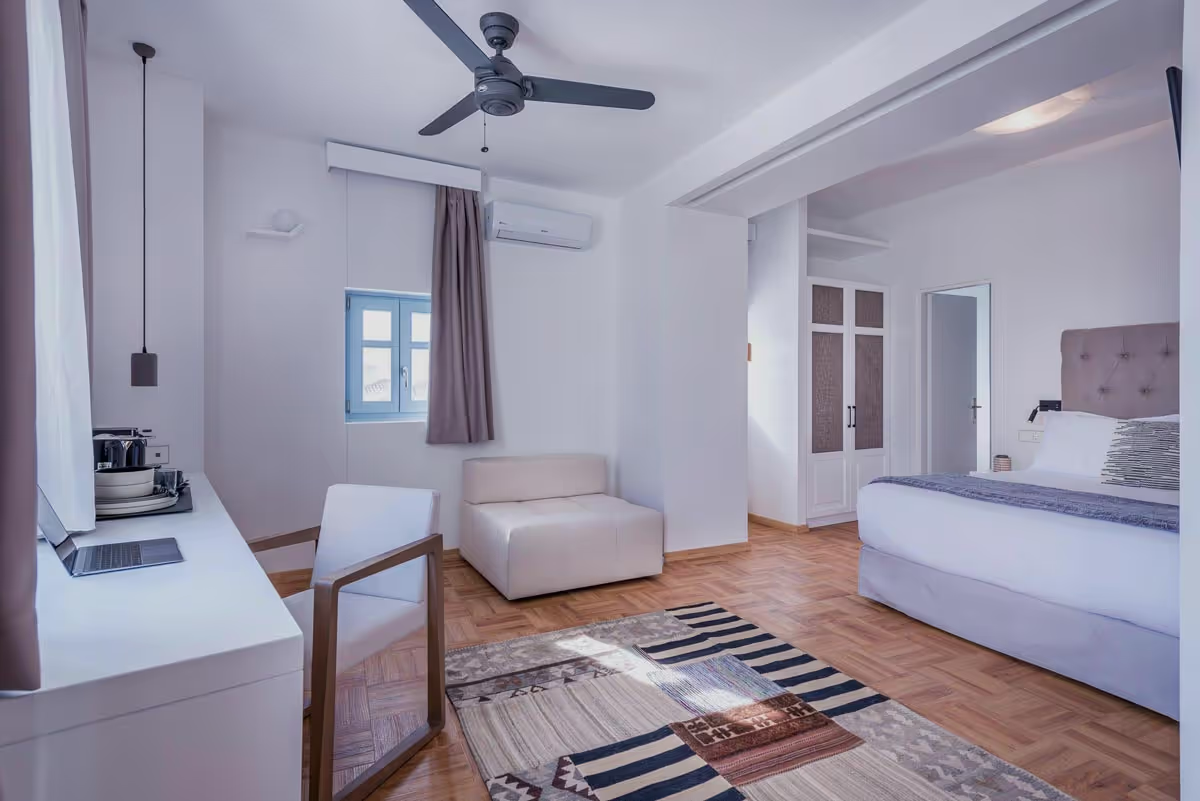
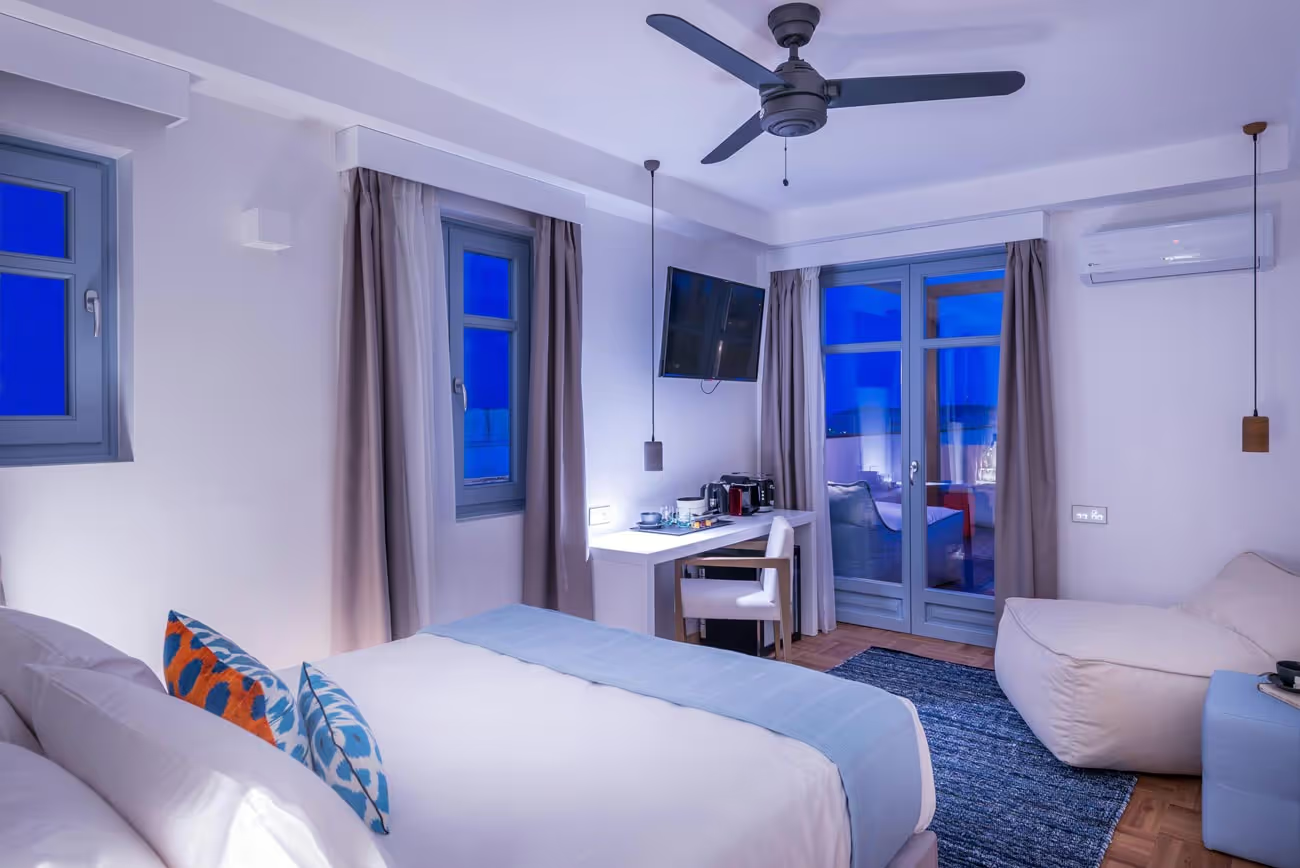
If you want to experience the Rebetiko Festival up close, you’ll need to book your accommodations well in advance. The island is absolutely packed during those days, not only with tourists but also with music lovers who come to pay homage to Markos Vamvakaris’s birthplace. Book your stay at Shapes Luxury Suites well in advance.
The rebetiko tradition of Syros is proof that art born of truth and pain is immortal. Markos Vamvakaris once said: “Everyone keeps asking me, how and what, and how do you play your bouzouki, and why don’t you just give it up?”. The answer lies in Syros itself. By getting to know Syros through rebetiko, you’re not just discovering a destination, but a piece of your own history.